



If you exercise regularly, taking a few days off after wisdom teeth removal can feel frustrating. The good news is that most people do not need to avoid exercise for long. The key is giving the extraction sites enough time to settle before you raise your heart rate, lift heavy weights, or return to high-impact training.
As a general guide, rest for the first 24 hours. Gentle walking may be suitable after 24 to 48 hours if bleeding has stopped and you feel well. More demanding exercise can usually be added gradually over the next several days. Your timeline will depend on how difficult the extraction was, whether you had sedation or general anaesthesia, and how your recovery is progressing.
If you have had wisdom teeth removal in Sydney, it is important that you follow the instructions given by your dentist.
Why Exercise Needs to Wait
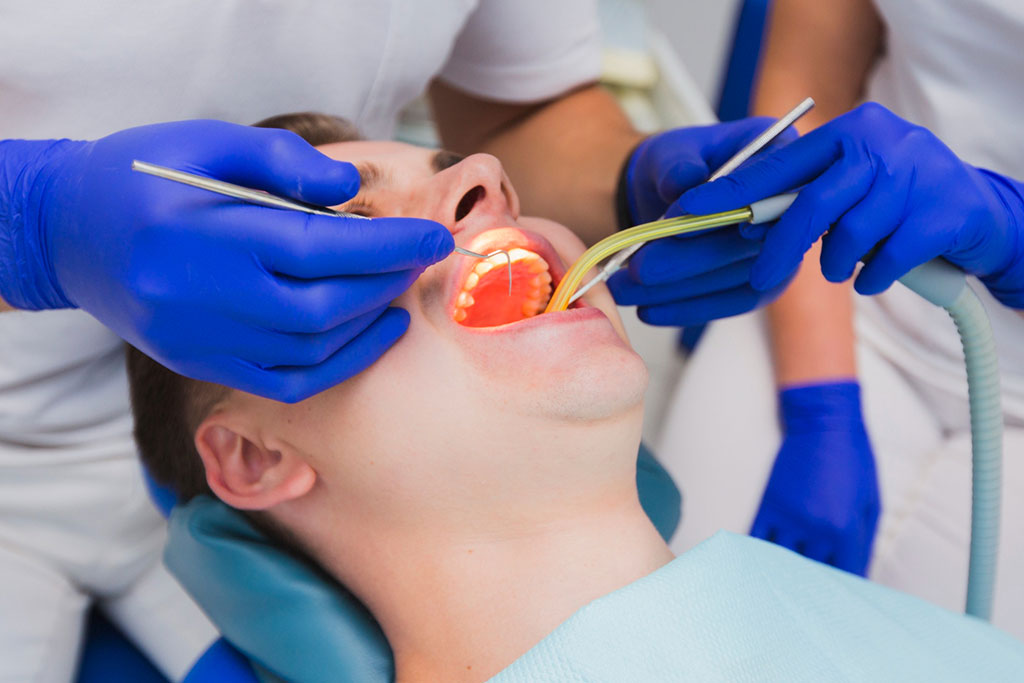
After a wisdom tooth is removed, a blood clot forms in the socket. That clot protects the area while new tissue begins to develop.
During the first day or two, strenuous activity can work against that process. Running, heavy lifting and intense cycling increase your heart rate and blood pressure. In some people, that can restart bleeding or make the area throb.
Exercise may also feel harder than usual after removal. You may be eating less, sleeping poorly or taking pain medication. If you had IV sedation or general anaesthesia, you may also feel tired or light-headed.
Dry socket, or alveolar osteitis, happens when the blood clot is lost or does not form properly, leaving the underlying bone exposed. Exercise is not considered a direct cause of dry socket, but protecting the extraction site during early healing is sensible.
A Practical Exercise Timeline
First 24 Hours
Treat the day of removal as a rest day. Skip the gym, running, sport, heavy lifting and strenuous household jobs. Avoid activities that make the extraction area pulse or bleed.
If you received sedation or a general anaesthetic, do not exercise until the effects have worn off and you have followed your discharge instructions.
24 to 48 Hours
If bleeding has settled and you feel steady, light movement is usually reasonable. A short, easy walk is a good place to start.
Avoid HIIT, running, heavy weights or anything that makes your heart pound. If you notice fresh bleeding, increasing pain, dizziness or throbbing, stop and rest.
Days 3 to 7
Many people begin moving back towards their normal routine during this stage, particularly after an uncomplicated extraction.
You might try a longer walk, easy stationary cycling, gentle mobility work or lighter-than-usual resistance training. Keep the intensity below normal at first.
If your wisdom teeth were impacted, several teeth were removed surgically, or you still have significant swelling and discomfort, you may need more time.
After About One Week
Many patients feel ready to return to most of their usual exercise by this point. The sockets are not fully healed, but normal activity is often more comfortable.
Return progressively rather than jumping straight back into a personal best, long run or high-volume session.
What About Specific Types of Exercise?
Walking: 24–48 Hours
Gentle walking is usually the first activity to resume. After the first 24 hours, short walks may be fine if bleeding has stopped and you are not feeling dizzy or increasingly sore.
Weight Training: 3–7 Days
Light weights may be reasonable after about 3–5 days if recovery is going well. Heavy lifting is better delayed until around 7 days, then resumed gradually.
Running and HIIT: 3–7 Days
Light jogging may be possible after about 3–5 days following an uncomplicated extraction. HIIT and more strenuous cardio are better left until around 7 days, especially if swelling or discomfort remains.
Swimming: 3–7 Days
Gentle swimming may be suitable after several days once bleeding has stopped and you feel well. Avoid strenuous laps or diving during your first session back.
Contact Sports: 7+ Days
Sports involving possible impact to the face or jaw need more caution. Waiting at least around 7 days is sensible, with a longer break if your extraction was complex or your jaw is still sore.
These are general recovery ranges rather than fixed deadlines. If exercise causes bleeding, throbbing, increased swelling or pain, stop and allow more healing time.
Signs You Are Doing Too Much

Stop exercising and rest if you develop fresh bleeding, stronger throbbing, increasing pain, dizziness or swelling that worsens during or after the workout.
Some soreness can be normal. What matters is the trend. Symptoms should generally improve with time rather than become progressively worse.
When to Contact Your Dentist
Seek advice if bleeding does not settle with firm pressure, pain becomes severe or suddenly worsens after improving, or swelling continues to increase rather than ease.
Contact your clinician if you develop fever, pus or discharge, a persistent unpleasant taste, or feel generally unwell. Difficulty breathing or swallowing needs urgent medical attention.
If you are planning wisdom teeth removal in Sydney, ask about exercise and time off work before the procedure. Someone with a desk job may return to normal activities sooner than someone who does heavy physical work or competitive sport.
When comparing wisdom teeth removal cost in Sydney, aftercare is also worth considering. Clear post-operative instructions and access to follow-up advice can make recovery less stressful.
Frequently Asked Questions
How soon can I walk after wisdom teeth removal?
For many people, a gentle walk is reasonable after the first 24 hours, provided bleeding has stopped and you are not dizzy or in increasing pain. Keep it easy at first.
When can I go back to the gym?
Light gym activity may be possible within a few days after an uncomplicated extraction. Heavy lifting and high-intensity sessions should be reintroduced gradually.
Can exercise cause dry socket?
Exercise itself is not recognised as a direct cause of dry socket. However, strenuous activity early in recovery can increase bleeding and may disturb the healing environment around the socket.
Can I run three days after wisdom teeth removal?
Possibly, but it depends on the extraction and how you feel. If you still have swelling, bleeding or significant pain, wait longer. If recovery is going smoothly, start with gentle activity first.
How long does recovery take?
Many people are back to routine daily activities within several days, while overall recovery commonly takes around one to two weeks. Surgical or impacted extractions may take longer.
The Bottom Line
There is no single exercise schedule that fits every wisdom teeth removal. Rest for the first 24 hours, introduce gentle movement when you feel comfortable, and build back towards normal training over the following days.
The safest guide is not the calendar alone. Pay attention to bleeding, pain, swelling and how you feel overall. If exercise makes your symptoms worse, back off and give yourself more time. If your dentist has given you a different recovery plan, follow their instructions.