

If you are in your 30s or 40s and still have wisdom teeth, the key question is not “Am I too old to remove them?” It is “Are these teeth healthy enough to keep, or are they creating a problem that is likely to worsen?”
Wisdom teeth can be removed safely in adults, but surgery may become more complex with age because roots are fully developed and the surrounding bone is denser. The decision should be based on symptoms, examination and imaging, not age alone. If you are considering wisdom teeth removal in Sydney, here is what matters most.
Do wisdom teeth need to be removed in your 30s or 40s?
No. A wisdom tooth does not need to be removed simply because it is impacted or because you have reached a certain age. Healthy teeth with no significant disease can often be monitored with regular dental examinations and appropriate X-rays.
Removal is more likely to be recommended for repeated infection, unrestorable decay, gum disease, a cyst, damage to the neighbouring second molar or another diagnosed problem. A first mild episode of pericoronitis does not always require surgery, but repeated episodes may strengthen the case for removal.
What happens if you leave an impacted wisdom tooth?
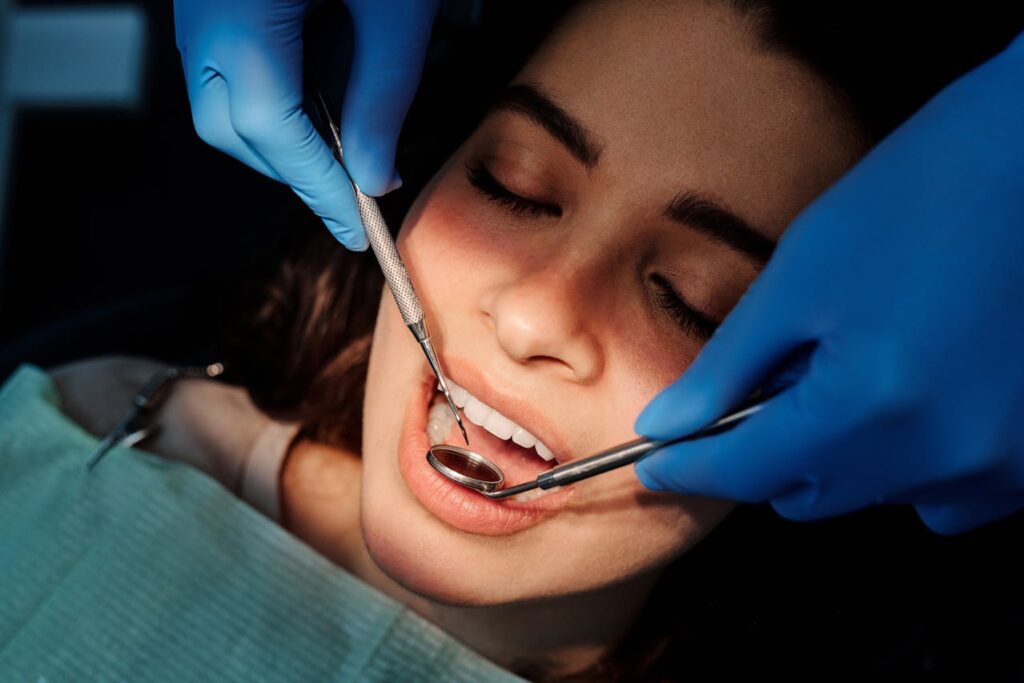
Some impacted wisdom teeth remain stable for years. Others can develop problems without obvious pain. Food and plaque may collect around a partly erupted tooth, increasing the risk of decay or gum inflammation. A poorly positioned wisdom tooth may also make the back of the second molar difficult to clean.
This is why “no pain” does not always mean “no problem.” If you keep your wisdom teeth, regular review matters. Your dentist can decide when repeat imaging is appropriate.
Does removing wisdom teeth become riskier with age?
Surgery can become more difficult as people get older. Fully formed lower wisdom tooth roots may lie close to the inferior alveolar nerve, while denser bone can make removal more involved. This may increase recovery time and the risk of temporary nerve symptoms.
If a lower wisdom tooth appears close to the nerve, your clinician may recommend CBCT imaging. In selected cases, a coronectomy, where the crown is removed but roots close to the nerve are retained, may be considered to reduce nerve injury risk.
What does recovery usually involve?
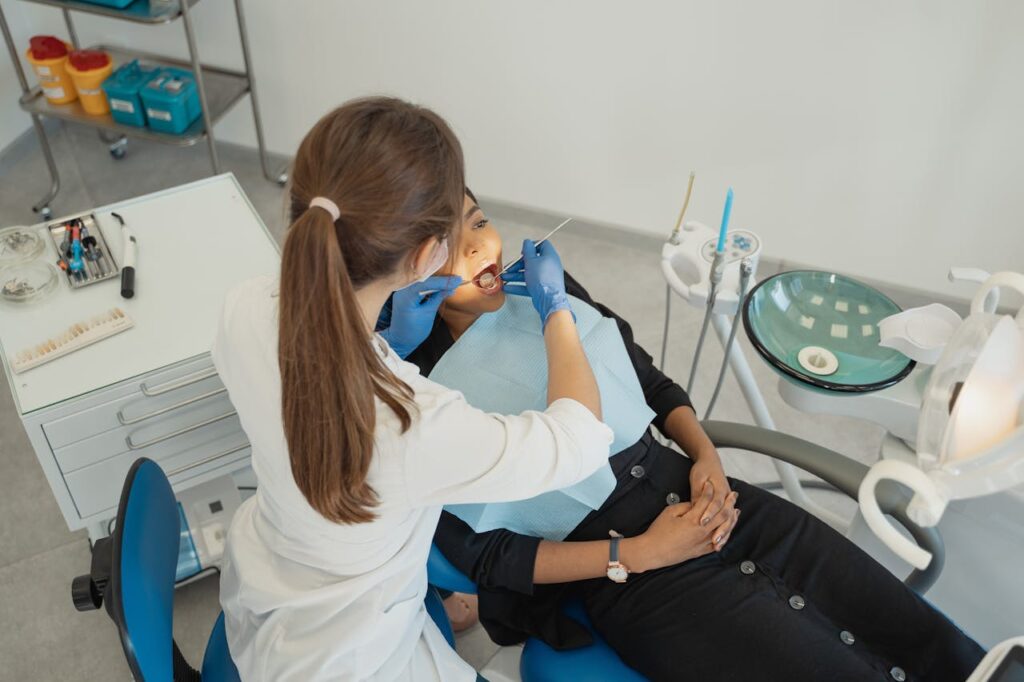
Pain, swelling and jaw stiffness are common during the first few days. Swelling often becomes most noticeable around days two or three before improving. Many people return to normal daily activities within about a week, although complex surgery may take longer.
During the first 24 hours, avoid vigorous rinsing and disturbing the extraction site. After 24 hours, gentle salt-water rinses may be recommended. Eat softer foods initially, keep your mouth clean and follow your clinician’s instructions.
Which pain relief is usually recommended?
For many adults, non-opioid pain relief is the first option after extraction. Ibuprofen, either alone or combined with paracetamol, can be effective when these medicines are medically suitable.
Kidney disease, stomach ulcers, bleeding risks and some medications can change what is safe. Follow the pain plan given by your dentist, surgeon or pharmacist rather than self-prescribing around other health conditions.
How can you reduce the risk of dry socket?
Dry socket can cause severe throbbing pain several days after an extraction. Smoking is a recognised risk factor, so avoiding smoking before and after surgery is important. Oral contraceptive use is also associated with increased risk in some patients, but prescribed medication should not be stopped without medical advice.
Contact your dental clinic if pain becomes severe or worsens after initially improving, particularly with a bad taste, bad breath, fever or increasing swelling.
How much does wisdom teeth removal cost?
Wisdom teeth removal cost in Sydney varies with the number and position of teeth, surgical difficulty, imaging, anaesthesia and facility fees.
Ask for a written quote showing what is included. Check whether consultation, imaging, surgery, sedation or anaesthesia, day-surgery charges and follow-up care are separate. If you have private health insurance, confirm likely benefits directly with your insurer.
How should you choose a provider?
Choose a clinician who explains why treatment is recommended in your case. You should understand what the imaging shows, whether the neighbouring tooth is at risk and how close lower wisdom teeth are to important nerves.
Ask what happens if you monitor instead of remove the tooth, what anaesthesia is appropriate, how much time you may need away from work and who to contact if recovery does not progress normally.
The bottom line
Being in your 30s or 40s does not automatically mean your wisdom teeth should come out, and it does not mean you have left treatment too late. Healthy, disease-free teeth may be monitored. Teeth causing repeated infection, decay, gum disease, cystic change or damage to nearby teeth may be better removed.
The most useful next step is a clinical examination and appropriate imaging. That lets you compare the risks of keeping the tooth with the risks of surgery and make a decision based on your actual situation.