

Many people wonder if having their wisdom teeth removed will give them a slimmer face. The idea might sound appealing: removing these teeth might help shape the jawline and create a more defined profile. However, the best direct clinical evidence available does not show a lasting, visible slimming effect after healing. Here’s what you need to know.
For most people, wisdom teeth removal does not permanently change face shape. The main visible difference after surgery is temporary swelling.
But First, What Are Wisdom Teeth and Where Are They Located?
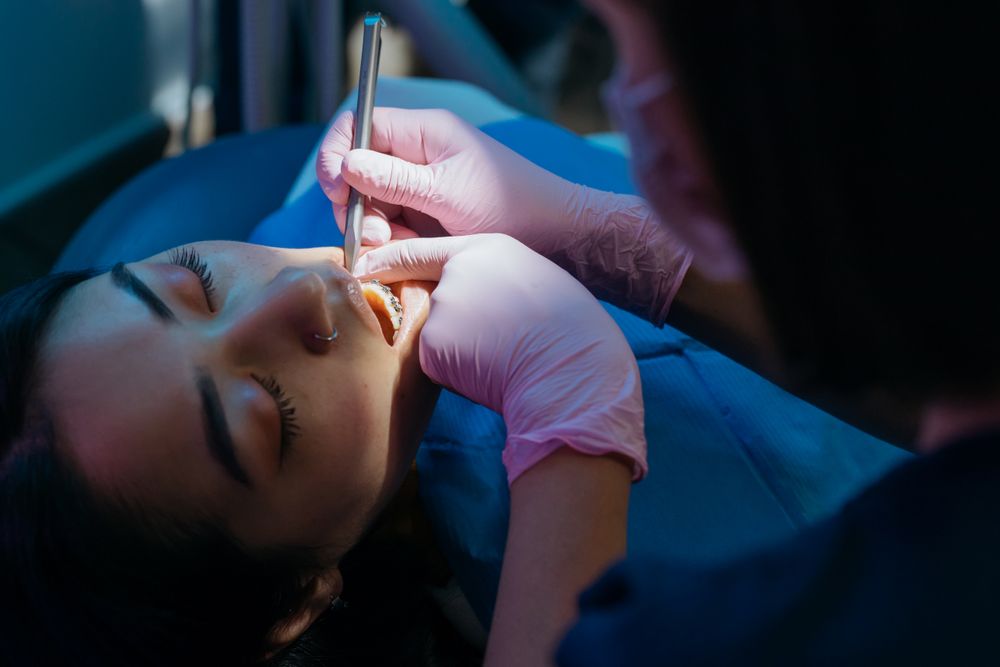
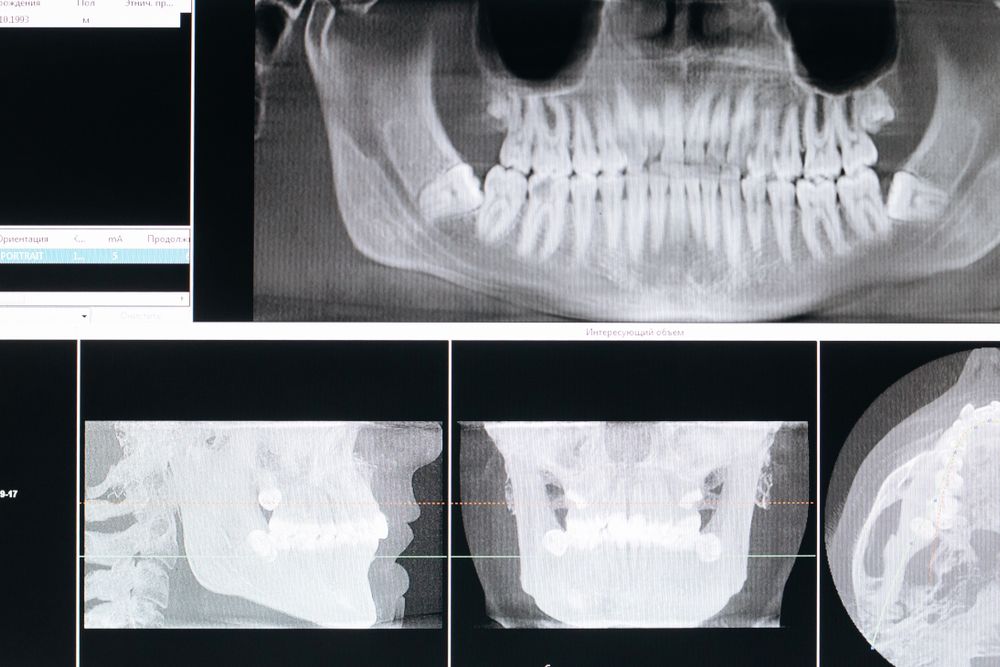
Wisdom teeth, also called third molars, are the last set of teeth that appear in the back of your mouth. They typically emerge between the ages of 17 and 25. Sometimes they don’t erupt properly, which is known as impaction. Due to limited space in the jaws (if they emerge later in life), these teeth don’t fully break through the gums.
Their location is closely linked to the jawbone. They are positioned at the farthest edges of both the upper (maxillary) and lower (mandibular) arches.
The Expectation of a Slimmer Face:
A common belief is that extracting wisdom teeth in Sydney can lead to a slimmer-looking face. This idea mainly comes from the thought that removing a tooth embedded in the jaw might reduce the fullness or width of the lower face. Many individuals consider this an added bonus when facing potential discomfort from impacted wisdom teeth or planning orthodontic treatments.
In reality, wisdom tooth extraction can change the bone immediately around the tooth socket, but available evidence does not show that this usually produces a noticeable, lasting change in the overlying facial contour.
What Does the Science Say?
A noteworthy study by Wang et al. (2023) in BMC Oral Health specifically addressed if and how wisdom teeth extraction affects facial tissue volume. The study enrolled 24 adults between 18 and 30 years old, who had the upper and lower wisdom teeth on one side of the mouth removed. Researchers used a combination of advanced imaging techniques to track changes in both the bone and the soft tissue of the face over time.
Twenty-four participants were enrolled; one was excluded, leaving 23 in the final sample. This was a small pilot study, so larger studies are still needed.
How the Study Was Conducted
The researchers used a Structured Light Scan (SLS) system to obtain three-dimensional facial scans at three points in time:
- T0: Before extraction,
- T1: Three months after the procedure
- T2: Six months following the extraction.
This system ensured that the head position, facial expression, jaw alignment, and visible forehead were all standardised during each scan for consistency. With a nominal accuracy of 0.2 mm, these scans provided precise measurements for detecting even subtle changes.
Key Findings from the Study:
The study provided several crucial insights:
- Hard Tissue Reduction: The measured hard-tissue volume on the extraction side was 2.33 ± 0.46 ml lower at follow-up. This measurement included the removed wisdom teeth and changes in the surrounding hard tissue, so it should not be described as 2.33 ml of jawbone resorption alone.
- Soft Tissue Changes:
- Initially, at three months post-extraction (T1), there was a decrease in soft tissue volume by about 1.396 ml.
- But by six months (T2), the soft tissue volume had increased by roughly 1.753 ml.
- When comparing the measurements at T0 and T2, the overall soft tissue volume remained essentially the same. No changes were observed on the opposite side of the face, and there was no significant correlation between the reduction in bone and changes in soft tissue.
Why You Likely Won’t See a Slimmer Face
There are several important biological reasons why the removal of wisdom teeth does not visibly slim the face:
- Thick Soft Tissue: The cheek region has a thick layer of soft tissue, which acts like a natural cushion over the bone. This thickness often masks minor changes in the underlying jawbone.
- Supportive Bone Structure: Key facial features such as the cheekbones and the bottom edge of your lower jawbone provide robust structural support. These features maintain the overall contour and resilience of the face, reducing the impact of localized bone reduction.
- Visibility Threshold: The study reported cheek-surface differences of roughly 0.6 mm and compared them with an approximately 2 mm naked-eye discrimination threshold cited in facial-change research. In other words, the measured surface change was below what the authors expected people to notice visually.
What Changes Can You Notice After Wisdom Teeth Removal?
The most obvious facial change after surgery is temporary swelling, which often peaks around days two to three.
Practical Advice and Considerations
For anyone considering wisdom teeth removal in Sydney:
- Focus on Oral Health: The primary reasons for having wisdom teeth extracted are to relieve pain, prevent infection, and avoid complications with orthodontics. It’s not meant to alter your appearance.
- Manage Your Expectations: While you may notice some temporary changes (like swelling right after surgery), these are short-lived and are part of the healing process.
- Consult Your Dentist: If you have concerns about facial changes or your overall dental health, it’s best to speak with your dentist. They’ll help address any specific issues and clarify what outcomes you can realistically expect.
Wisdom Teeth Removal for Optimal Oral Health:
While removing a wisdom tooth does lead to a measurable decrease in the underlying bone volume, it does not create a long-lasting or visible slimming effect on the face. Wisdom teeth extraction should be recommended for a clinical reason rather than as a method for aesthetic facial contouring. Do all wisdom teeth need to be removed? Here’s what you should know.
If you are preparing for an extraction, the first-72-hours recovery guide covers clot protection, swelling, food and early aftercare in more detail.
If you’re concerned about impacted wisdom teeth, recurring pain or what removal could mean for your recovery and appearance, book an assessment with our dental team. We can review your wisdom teeth, explain your options clearly and recommend treatment based on your oral health needs.
Frequently Asked Questions:
Does wisdom teeth lead to a round face?
No, wisdom teeth do not cause your face to appear round. These teeth are located at the back of the jaw, and their presence or removal has little to do with the overall width or shape of your face. The roundness of a face is usually determined by genetics and the distribution of facial fat rather than by the size or position of your wisdom teeth.
Can you lose face fat after wisdom teeth removal?
Wisdom teeth removal does not lead to a loss of facial fat. The procedure targets the tooth and the surrounding jawbone rather than affecting the fat deposits in your cheeks. While you may experience temporary swelling or changes in the soft tissue immediately after surgery, these are part of the inflammatory response and healing process instead of reduction in facial fat.
Is wisdom teeth removal painful?
The extraction of wisdom teeth is a surgical procedure, so there is some discomfort associated with it. However, the process is typically managed with local or general anaesthesia during the operation. After surgery, patients may experience soreness, swelling, and mild pain for a few days, but this discomfort is usually well-controlled with prescribed pain medications.
What happens to your face after wisdom teeth removal?
Immediately after wisdom teeth removal, you might notice some swelling and bruising around the jaw and cheeks. Over the long term, local hard-tissue changes occur around the extraction site, but the pilot study did not find an evident lasting change in cheek soft-tissue volume.
What are the benefits of removing wisdom teeth?
Removing problematic wisdom teeth can have significant oral health benefits.
- It helps prevent recurring pain, infections, and complications that can damage adjacent teeth.
- It can address problems such as cyst formation, gum disease or decay associated with a problematic wisdom tooth.
- Where a wisdom tooth is healthy and problem-free, monitoring may be appropriate instead of preventive removal.
Can wisdom teeth removal make your jawline sharper?
Not in a predictable or permanent way. A sharper look after recovery is more likely to reflect swelling settling or normal differences in weight, posture, lighting or photography.
How long can your face look different after wisdom teeth removal?
Temporary puffiness is often most noticeable during the first two to three days, then improves. Bruising or jaw stiffness can last longer after a complex extraction.
Can removing all four wisdom teeth change your face more than removing one?
Removing several teeth at once can cause more temporary swelling. There is not good evidence that removing all four permanently narrows the face after healing.
Why do some before-and-after photos look dramatically different?
Swelling, weight, camera distance, head position, expression and lighting can all change a photo. Images alone cannot prove permanent facial reshaping from an extraction.