


Wisdom teeth attract plenty of folklore. They erupt late, sometimes at odd angles, and often take the blame for all sorts of dental woes. This guide answers common questions individuals ask about affordable wisdom teeth removal Sydney in 2025 right below:
1. Do all wisdom teeth need to come out?
No. Many third molars cause no trouble and can stay put under regular review. Removal is usually recommended when there’s pain, repeated infection, decay that’s hard to restore, cysts, or damage to the neighbouring molar. Australian consumer health sites note that some people keep these teeth for life without issues, provided hygiene and access for cleaning are sound.
Note: If you’re comparing Sydney providers for wisdom Teeth Sydney, look for clinics that offer clear explanations of imaging, risks, and follow-up, not just a quick quote.
2. What does high-quality research say about removing symptom-free impacted teeth?
The Cochrane Review (2020) found insufficient evidence to support routine removal of asymptomatic, disease-free impacted wisdom teeth. Retaining them may be linked to a higher long-term risk of gum problems around the second molar, but certainty is low. Decisions should be individualised after clinical and radiographic assessment.
If you’re weighing observation versus surgery and searching terms like Wisdom teeth removal price Sydney, remember that cost should follow a risk–benefit discussion, not lead it.
3. Do wisdom teeth cause crowded front teeth?
Mostly no. Lower incisor crowding tends to increase with age for various reasons, regardless of whether wisdom teeth are present. Orthodontists focus on retainer wear and overall bite stability. Removing third molars won’t guarantee straight front teeth.
4. When should I seek a prompt consultation?
Book in if you have persistent pain, swelling, recurrent infection of the gum flap over a partially erupted tooth, decay on the wisdom tooth or the tooth ahead of it, or cystic change on imaging. Experts list these as red flags and explain that early care prevents complications.
You can compare quotes online by searching cost of wisdom teeth removal in Sydney. Ask for item numbers and whether your quote includes imaging, sedation, and reviews.
Also Read: Do All Wisdom Teeth Need to Be Removed? Here’s What You Should Know
5. Chairside extraction or day surgery—what’s the difference?
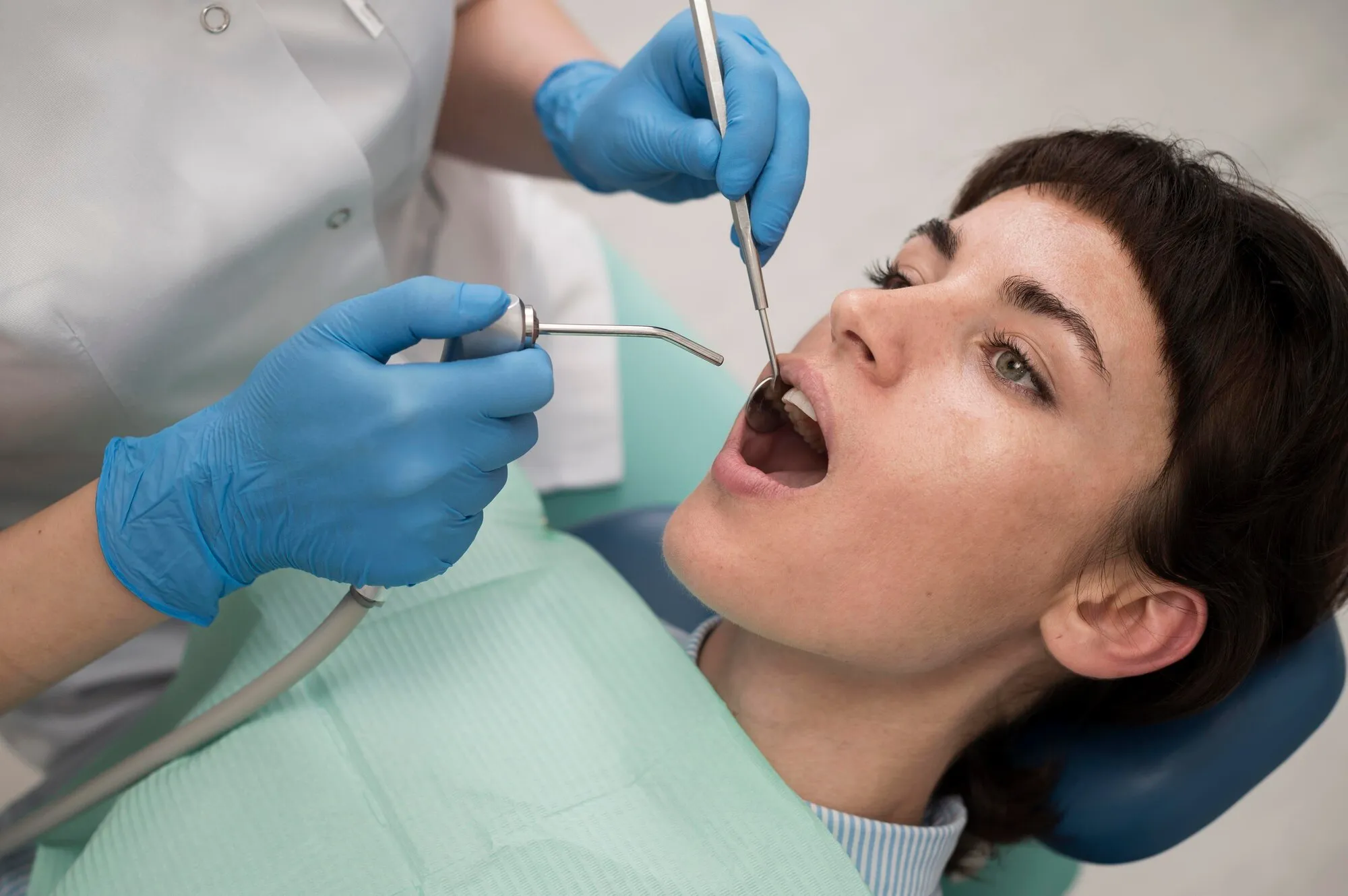
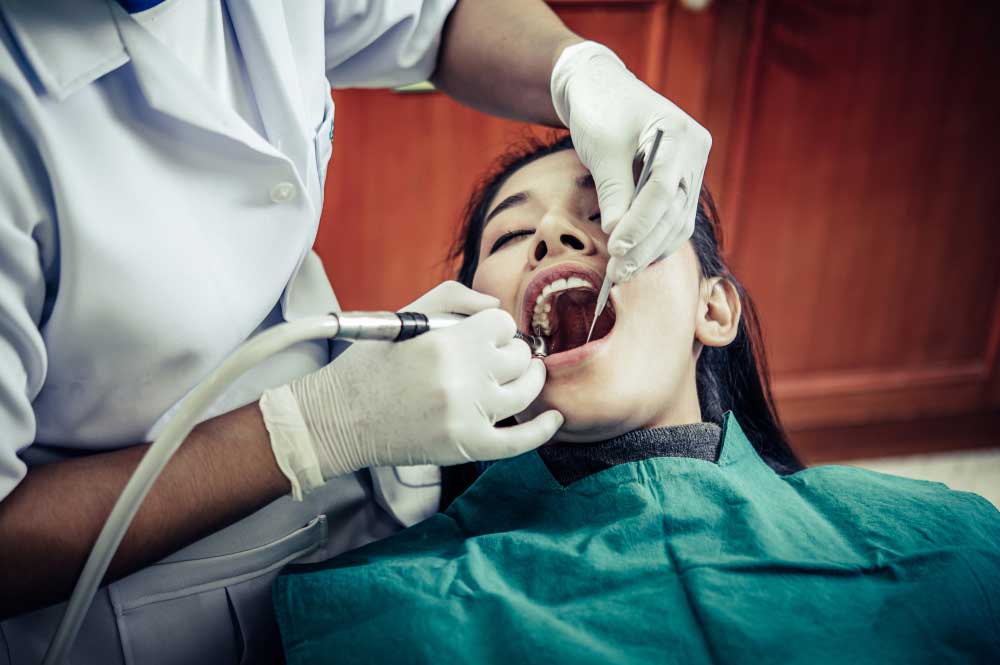
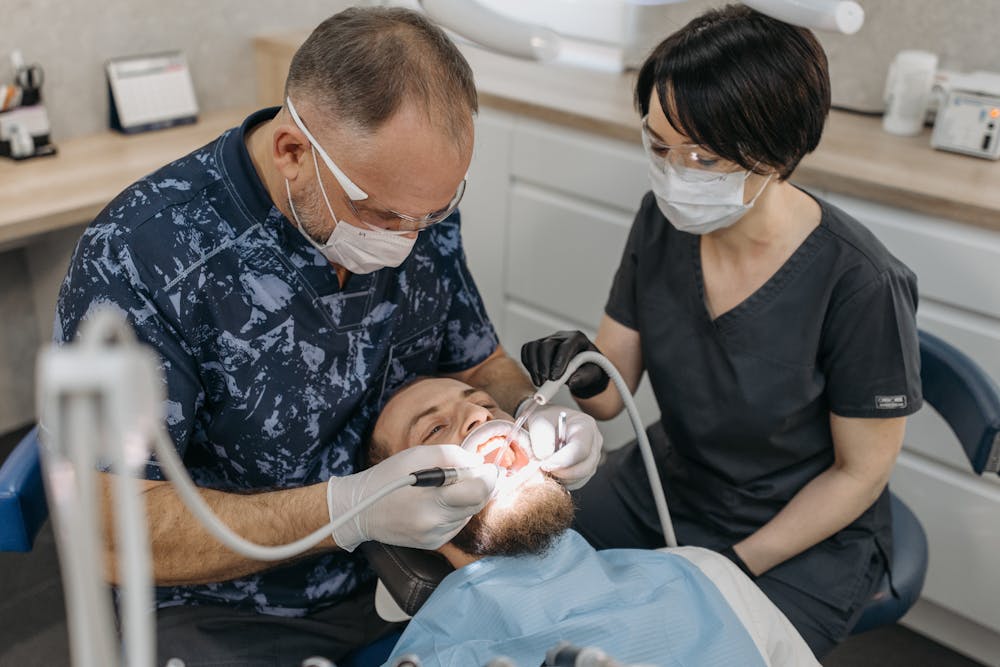
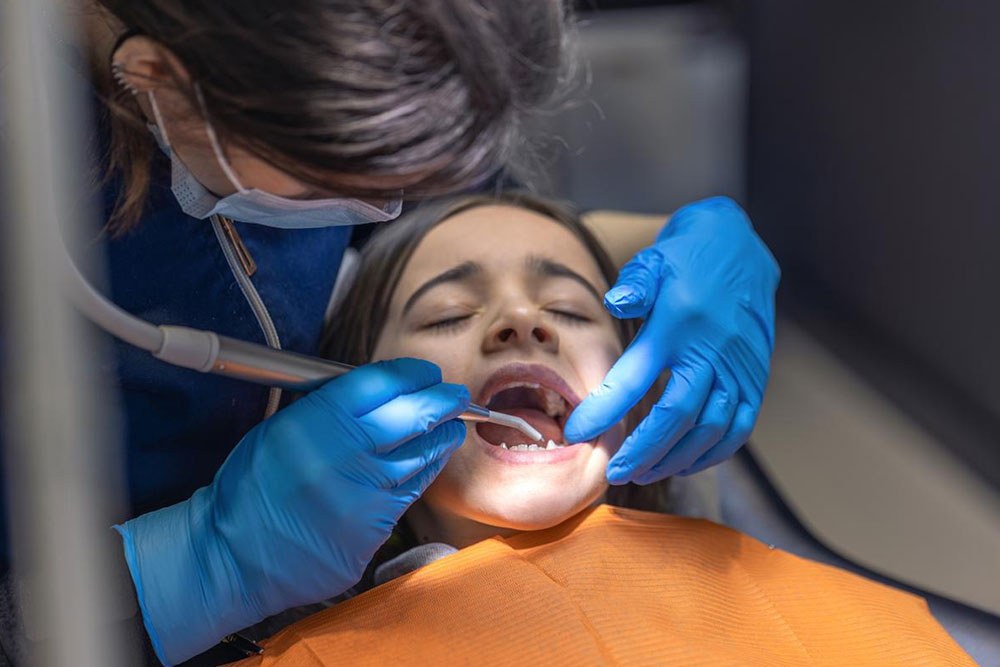
Straightforward cases are commonly removed in the dental chair with local anaesthetic. Complex impactions, multiple extractions, or patients who prefer deeper sedation may be treated by an oral and maxillofacial surgeon under IV sedation or a short general anaesthetic in a day-surgery setting. The choice turns on tooth position, root shape, nerve proximity and your medical history.
If you’re researching providers, it’s fine to look up Wisdom teeth removal Sydney online to compare experience and settings, then discuss suitability with your clinician.
6. What is “dry socket” and who is at risk?
Alveolar osteitis, or dry socket, is a painful loss or breakdown of the clot a few days after extraction. It’s uncommon overall but more likely in smokers: a 2022 systematic review found more than a three-fold increase in odds among smokers compared with non-smokers. Early 2025 data continue to flag smoking as a consistent risk factor.
Practical prevention includes avoiding smoking and vaping during initial healing, steering clear of straws and forceful spitting, using gentle salt-water rinses after the first day, and following the written post-op plan your dentist provides.
7. What imaging do I need?
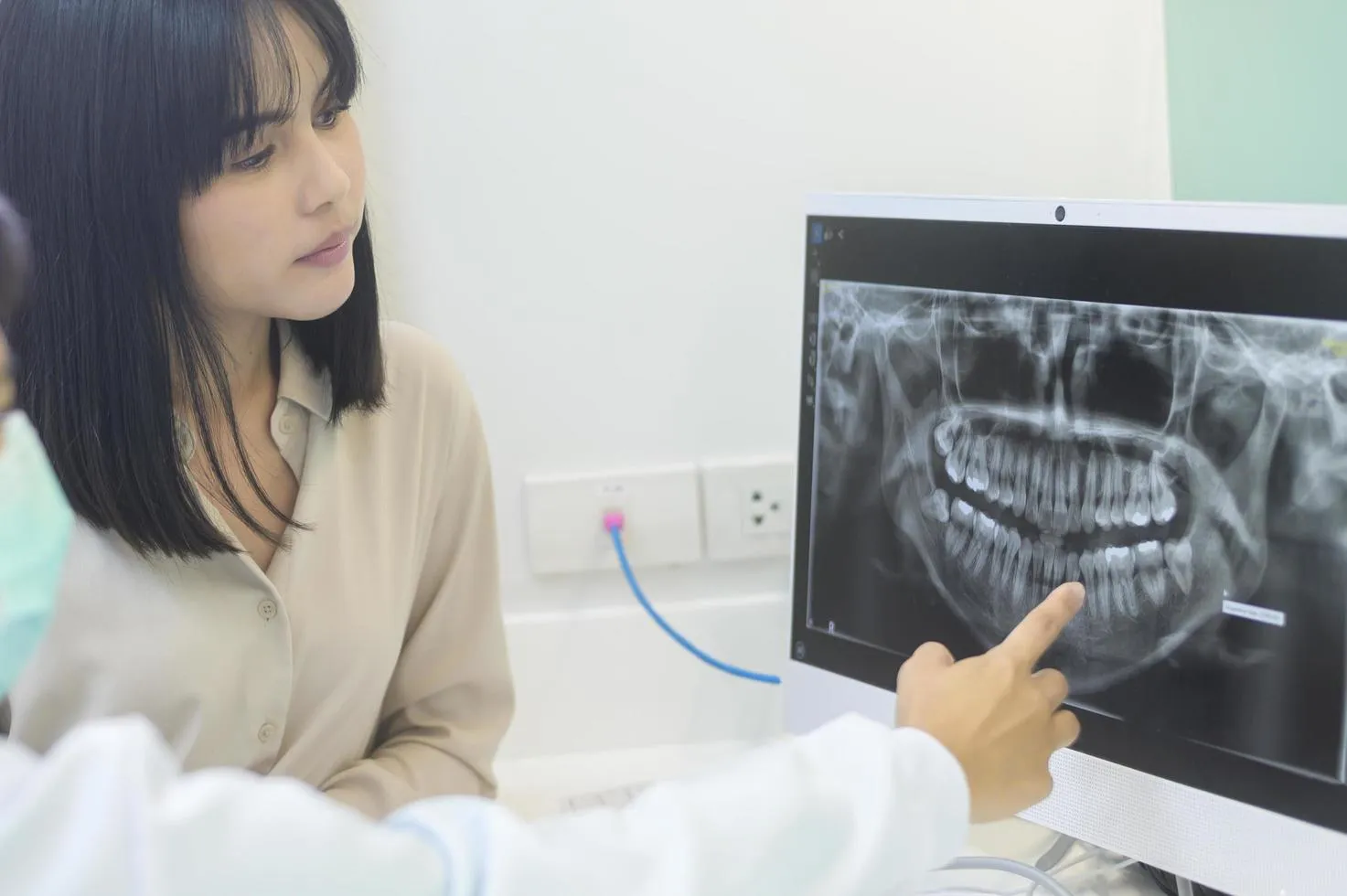
A panoramic X-ray (OPG) usually suffices to assess angulation and proximity to the mandibular nerve. If roots appear very close to the canal, or if anatomy looks unusual, your clinician may order a cone-beam CT to map the area in three dimensions before deciding on the safest approach.
8. What’s pain control and recovery like?
Swelling commonly peaks at 48–72 hours and settles across the first week. Many healthy adults do well with staggered paracetamol and ibuprofen (if appropriate), cold packs in the first 24 hours, a soft diet, and careful cleaning around the site. Your dentist will outline when to start gentle rinses and when to return for review and suture care.
If budgeting is front of mind and you’re searching affordable wisdom teeth removal in Sydney, ask whether quotes include imaging, sedation fees, and review visits. Prices vary with tooth position and complexity, not just postcode.
Final take
Wisdom teeth aren’t a one-rule story. The best decision blends your symptoms, imaging, overall health, and personal preferences with current evidence. If you’re comparing the Wisdom teeth removal cost in Sydney online, place safety and clear communication ahead of price. Use reputable sources, ask for item numbers, and ensure the plan covers after-care.
For readers planning next steps, it’s reasonable to request an itemised estimate. Remember that the cost of wisdom teeth removal Sydney depends on tooth position, sedation choice, and the experience of the dentist. Book a consultation, bring your questions about cheap wisdom teeth removal in Sydney, and make a decision that suits your mouth and your circumstances.
Frequently Asked Questions
1. How do I choose a wisdom teeth clinic?
Prioritise experience, quality imaging (OPG/CBCT when needed), anaesthesia choices, after-hours support, and itemised quotes that include imaging and sedation.
2. Are antibiotics always needed?
No. Reserve them for spreading infection, systemic symptoms, or specific medical risks. Uncomplicated cases rely on analgesics, irrigation, and hygiene. Follow your clinician’s plan.
3. When can I work, fly, or exercise?
Rest 24–48 hours. Avoid strenuous sport five–seven days. Short flights are fine after 48–72 hours; delay long-haul a week if surgery was complex.
4. What reduces dry-socket risk?
Don’t smoke or vape, avoid straws and forceful spitting, start salt-water rinses day two, keep the area clean, and use chlorhexidine if advised.
5. How do costs and insurance work?
Ask for ADA item numbers for every component (consult, imaging, extraction, sutures, review) so you can compare quotes accurately and check insurer rebates. Private insurance: extras cover typically rebates dentist/specialist and imaging fees, while hospital cover may contribute to theatre and anaesthetist costs. Pricing varies with case complexity, tooth position and nerve proximity and the anaesthesia chosen, plus any facility and imaging fees.