
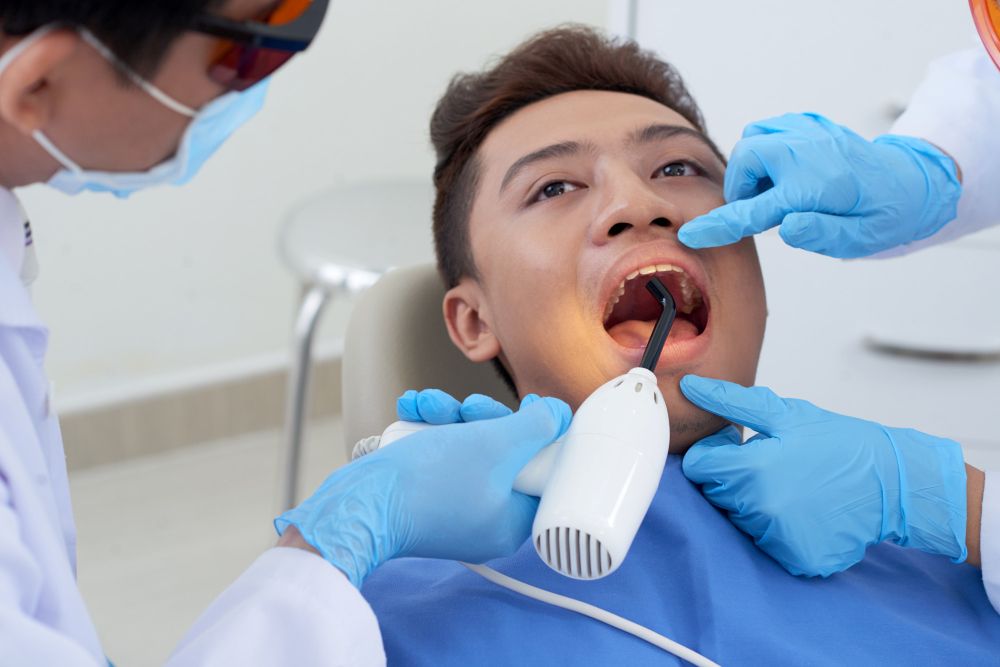
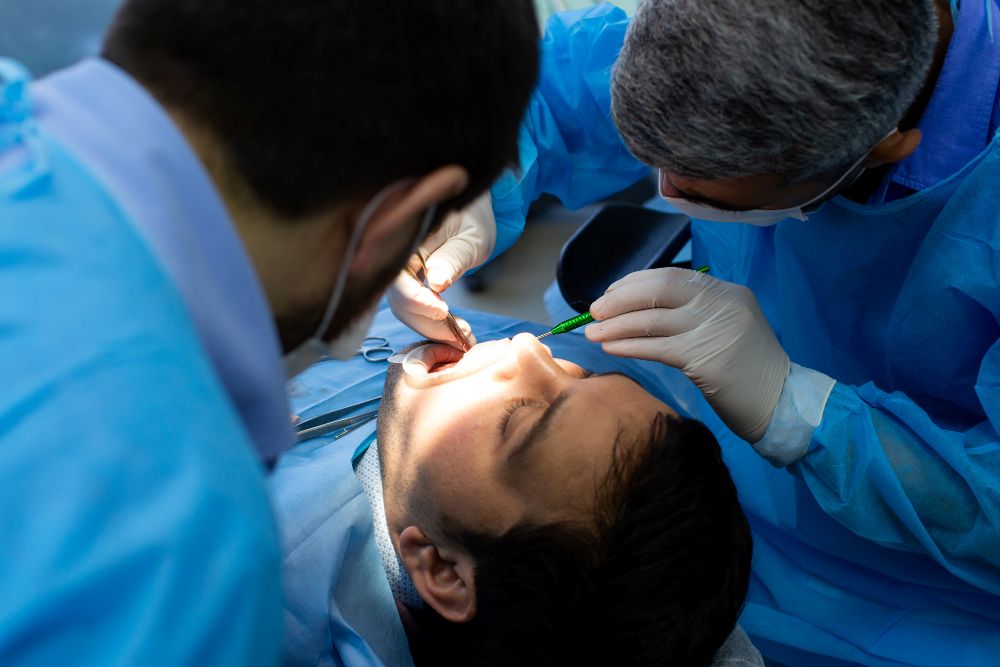

Day three can feel unfair. Your cheek looks more swollen than yesterday. For wisdom teeth removal, that doesn’t mean something has gone wrong.
Most people move through the roughest part in days, return to routine in week one, and feel normal by week two. The socket still needs care. Healthdirect Australia says a tooth extraction wound takes up to two weeks to heal, and the first 24 hours are mainly about rest, clot protection and avoiding smoking, alcohol and heavy activity.
Recovery depends on the tooth, not just the person
Two patients can have the same appointment date and very different recoveries. A wisdom tooth that has fully erupted may come out cleanly. A lower impacted tooth may need a small gum opening, sectioning, stitches, or more pressure on the jaw.
That’s why recovery advice has to start with the X-ray. Position, root shape, nerve proximity, infection, age, smoking, medical history and the number of teeth removed all matter. During your assessment, we check your symptoms, examine the position of your wisdom teeth with imaging where needed, and explain the removal options before treatment is planned. Our wisdom teeth removal in Sydney page covers the service, and our wisdom teeth cost page explains pricing.
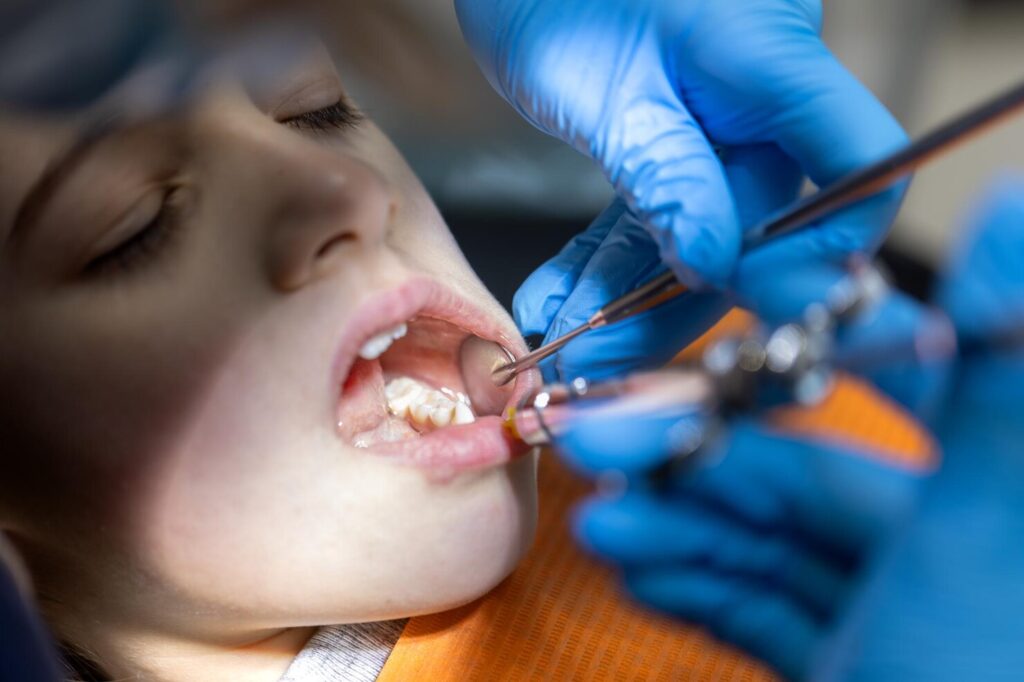
The first 24 hours are for protecting the blood clot
The blood clot is small, dark and not pretty. Leave it alone. It covers the socket and helps the gum and bone start repairing.
During the first day, expect numbness, mild bleeding, a thick cheek feeling, and some oozing. Bite on gauze as directed. Rest. Keep your head slightly raised. Don’t spit hard, rinse hard, use a straw, smoke, vape, drink alcohol, or prod the area with your tongue.
Eat soft, cool food once the numbness wears off enough to avoid biting your cheek. Yoghurt, mashed potato, scrambled egg and warm soup can work. Skip rice, seeds and crumbly food early because they can lodge in the socket.
Days 2 to 4 are often the peak, not the panic point
Swelling can build after surgery. Jaw stiffness may make opening your mouth feel awkward. Bruising can show up late. This stretch is often the most annoying part.
| Time after removal | What many people notice | What to focus on |
| First 24 hours | Bleeding slows, numbness fades, clot forms | Rest and don’t disturb the socket |
| Days 2 to 4 | Swelling, stiffness and soreness may peak | Soft food, gentle cleaning, no smoking |
| Days 5 to 7 | Chewing and energy improve | Return slowly to work, study and errands |
| Week 2 | Bruising and stiffness fade | Keep the area clean and watch for setbacks |
Pain should still be manageable with the medicine plan your dentist gave you. If pain suddenly sharpens after seeming better, pay attention.
Week one brings routine back before full healing
Many people can work, study and do light daily tasks within a week. That doesn’t mean they should lift heavy weights, eat chips, or treat the socket like normal gum.
This is the trap. You feel good enough to test things. The socket is still open enough to complain.
Our day-by-day wisdom teeth removal recovery guide explains what many patients notice across the first week and what deserves a call. Use it before surgery, so you can plan food, work, study and transport properly.
Keep brushing, but be gentle near the extraction sites. If your dentist advised warm salt-water rinses after the first 24 hours, let the water roll around rather than swishing hard. Cleaning matters. Force doesn’t.
Dry socket pain has a different pattern
Normal soreness tends to settle in waves. Dry socket tends to get nastier. Healthdirect Australia describes dry socket as severe, ongoing throbbing pain that can start within 1 to 3 days after extraction, sometimes with bad breath, an unpleasant taste, slight fever or swelling.
Dry socket is more common after lower molar and wisdom tooth removal, and smoking raises the risk. Treat the first week seriously.
Call us if pain gets worse instead of better, bleeding won’t settle, swelling increases, fever appears, pus develops, or you have trouble swallowing or breathing.
FAQ
How many days should I rest after wisdom teeth removal?
Plan at least the first day as a rest day. After surgical removal, IV sedation, or all-four extraction, many people need a few quieter days before work or study feels realistic.
When can I eat normally again?
Start soft. Add texture when chewing feels comfortable and food doesn’t get trapped. Hard, crunchy, spicy and grainy foods are better left until the sockets are calmer.
Is day three swelling normal?
Often, yes. Swelling can be more obvious after the first day. Get reviewed if swelling keeps increasing, appears with fever, or comes with worsening pain.
If your wisdom teeth are painful, swollen, hard to clean or partly stuck under the gum, don’t wait for a bad week to force the issue. We provide focused wisdom teeth removal in Sydney, in-house digital OPG and sedation options for anxious patients. Read our recovery guide before you book so you know what the first week may look like.