

Recovering from wisdom teeth removal is usually more comfortable when your meals match the stage of healing. In the first few days, the aim is simple: protect the blood clot, avoid irritating the wound, and keep up your fluids and calories. Experts advise soft foods, chewing on the other side where possible, and avoiding actions that may disturb healing in the first 24 hours. Healthdirect also recommends steering clear of hard, crunchy or chewy foods for several days while the area settles.
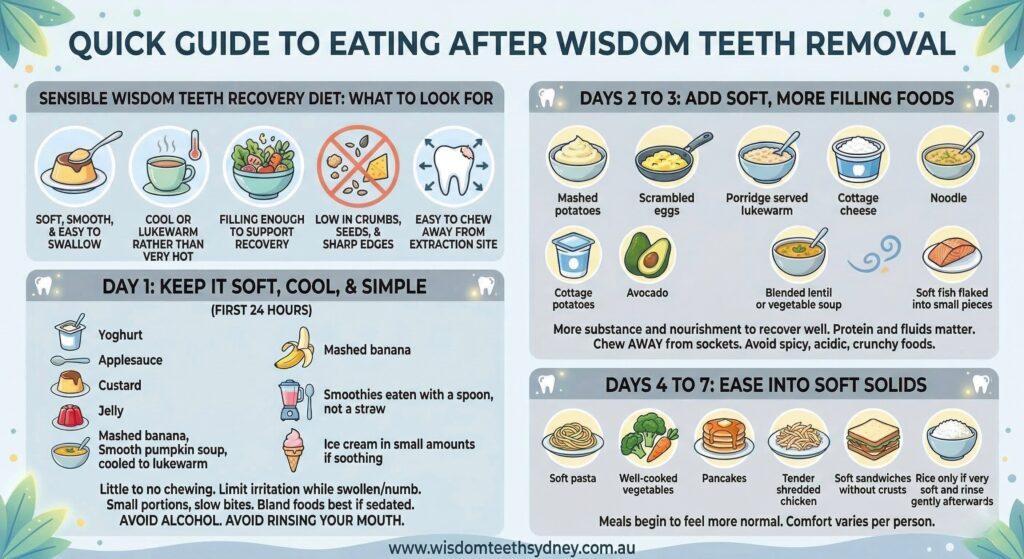
Quick guide to eating after wisdom teeth removal
A sensible wisdom teeth recovery diet should be:
- Soft, smooth and easy to swallow
- Cool or lukewarm rather than very hot
- Filling enough to support recovery
- Low in crumbs, seeds and sharp edges
- Easy to chew away from the extraction site
Day 1: Keep it soft, cool and simple
For the first 24 hours after wisdom teeth removal, stick to foods that need little to no chewing. This is the stage where many people do best with:
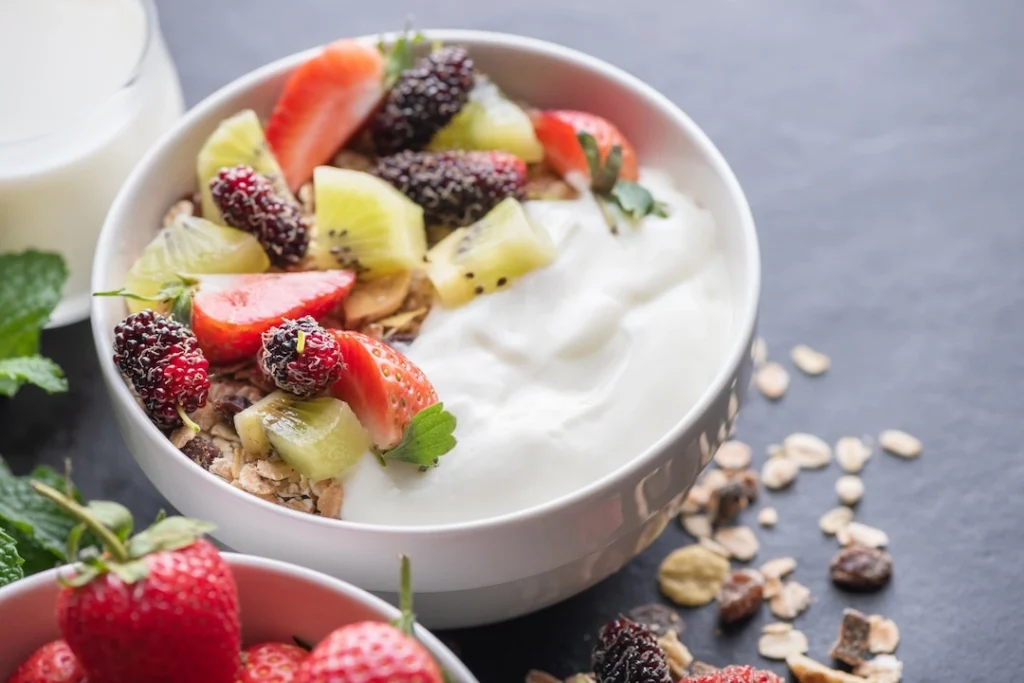
- Yoghurt
- Applesauce
- Custard
- Jelly
- Mashed banana
- Smooth pumpkin soup, cooled to lukewarm
- Smoothies eaten with a spoon, not a straw
- Ice cream in small amounts if it feels soothing
This early soft food diet after oral surgery helps limit irritation while you are still swollen or numb. Try small portions and slow bites. If you had sedation or stronger pain relief, bland foods may sit better than rich meals. Also avoid alcohol and make sure to rinse your mouth in the first 24 hours, as the clot needs to stay in place for healing.
Days 2 to 3: Add soft, more filling foods
By the second and third day, many people are ready for meals with a little more substance. Good options include:
- Mashed potatoes
- Scrambled eggs
- Porridge served lukewarm
- Cottage cheese
- Avocado
- Blended lentil or vegetable soup
- Soft noodles
- Soft fish flaked into small pieces
Protein and fluids matter here. Your mouth may still feel tender, but you need enough nourishment to recover well. Keep chewing away from the sockets. Spicy, acidic and crunchy foods are still best left alone, as they can sting the area or catch in the wound.
Days 4 to 7: Ease into soft solids
This is often the point where meals begin to feel more normal, though comfort varies from person to person. You might manage:
- Soft pasta
- Well-cooked vegetables
- Pancakes
- Tender shredded chicken
- Soft sandwiches without crusts
- Rice only if it is very soft and you can rinse gently afterwards
Rice deserves a quick mention. Small grains can lodge near the socket, so it is better introduced later in the week, only if chewing is comfortable and your dentist has not told you otherwise. Foods with seeds or fine grains can also be annoying during this stage.
After One Week: Return to normal food gradually
A lot of people can start moving back towards their usual meals after about a week, but there is no single timetable that suits everyone. The wound can take up to two weeks to heal, so it is wise to build up slowly.
Start with soft everyday foods, then test firmer textures as soreness fades. If chewing causes pain, swelling increases, or food keeps trapping in the area, step back to softer meals and follow the advice given by your dentist or oral surgeon.
Foods and habits to avoid
For at least the early recovery period, avoid:
- Chips, toast crusts and nuts
- Popcorn and seeded foods
- Very spicy meals
- Very hot drinks and soups
- Chewy lollies
- Alcohol
- Smoking
- Straws
That last point matters. Suction can dislodge the clot and raise the risk of dry socket, which is one of the more painful problems after an extraction.
Practical tips for Eating after dental surgery
- Eat little and often instead of forcing large meals.
- Drink water regularly to avoid dehydration.
- Choose lukewarm foods if heat makes the area throb.
- Rinse gently with warm salt water after 24 hours if your clinician has advised it.
- If dairy makes you nauseated after anaesthetic or pain medicine, leave it for later. There is no strong evidence that dairy itself harms healing, though individual instructions can differ.
Go in-depth on recovering smoothly after your wisdom teeth removal procedure. Check out this guide.
For personalised advice on wisdom teeth extraction recovery, book a consultation with the experienced team at Wisdom Teeth Sydney. We provide clear aftercare guidance and treatment support to help you heal comfortably and get back to eating with confidence.
Frequently Asked Questions
1. How many days after wisdom teeth removal can I eat normal food?
Many people start returning to more normal meals after about 7 days, though full healing often takes longer. Start with softer everyday foods first and build up based on comfort. If chewing still hurts, give it more time.
2. Can I drink through a straw after wisdom teeth extraction?
No, not in the early recovery phase. Suction can disturb the blood clot and increase the risk of dry socket. Most dental advice is to avoid straws for several days, and some clinicians recommend up to a week.
3. Is dairy okay to eat after dental surgery?
Usually, yes, if it feels comfortable. Yoghurt and custard are common soft foods. The main exception is when dairy worsens nausea after sedation or pain medicine, or when your surgeon has given different instructions.
4. When can I eat spicy food after wisdom tooth removal?
Wait until the area is no longer sore and your dentist is happy with healing. For many people that means at least several days, often around a week or more. Spicy foods can irritate the wound and make eating uncomfortable.
5. What are the best cold foods for oral surgery recovery?
Good choices include yoghurt, applesauce, custard, jelly, smoothies eaten with a spoon, and ice cream in small amounts. The best option is one that is soft, soothing and easy to swallow without much chewing.