
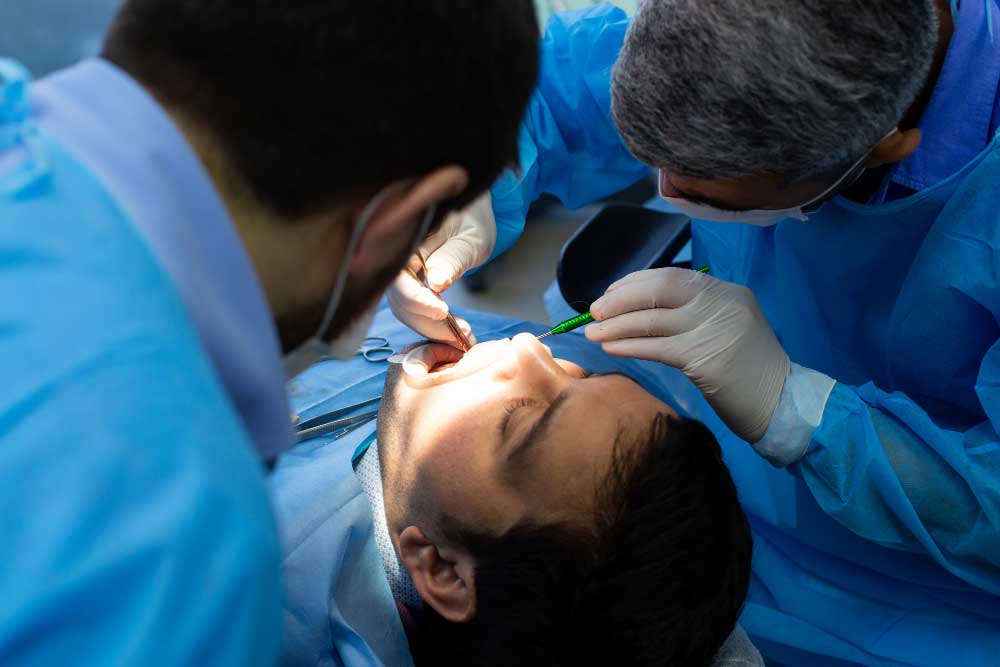
Feeling anxious about wisdom tooth surgery is very common, and you are not alone. In fact, many people in Australia delay treatment due to dental fear. The study reports from The University of Adelaide shows that dental anxiety and fear affects about 16% of adults and 10% of children in Australia, often leading to delayed care and more complicated treatment. For many of these patients, sleep dentistry is a boon and one of the practical ways to receive essential care without overwhelming distress.
What Is Sleep Dentistry?
First, let us clarify what we mean by Sleep Dentistry in the context of oral surgery. It is typically Intravenous Sedation (IV Sedation), often referred to casually as ‘Twilight Sedation’. Under IV Sedation, you remain conscious and able to respond to verbal commands, but you are in a profoundly relaxed state, feeling no anxiety or discomfort.
The sedative agents also often induce anterograde amnesia, meaning you will likely have little to no memory of the procedure itself, which is a major psychological benefit for anxious patients seeking wisdom teeth removal in Sydney.
The medications are delivered directly into the bloodstream by a qualified Anaesthetist. Because of the immediate and predictable action of IV drugs, the anaesthetist can continuously adjust the dosage to maintain the precise level of relaxation needed for the procedure’s duration. This precision is essential to both patient comfort and maintaining safe physiological stability.
Is Sleep Dentistry Safe?
For carefully assessed patients, IV sedation for Wisdom Teeth sydney extraction is regarded as very safe. According to the Australian and New Zealand College of Anaesthetists, anaesthesia in Australia is extremely safe. Across roughly 10.5 million anaesthetic procedures between 2018 and 2020, serious anaesthesia-related events leading to loss of life were estimated at about one in every 64,000 cases, which is a very low risk in a modern, closely monitored setting.
Safety rests on three things:
- Making sure the patient recieves the right type of anaesthesia
- Experienced anaesthetic staff
- Appropriate monitoring in a well-equipped facility
At Wisdom Teeth Day Surgery, all anaesthetic care is provided by Australian-registered specialist anaesthetists using IV sedation in a licensed day-surgery environment for Wisdom teeth removal Sydney rather than a standard dental chair, which adds another layer of protection.
What Your Anaesthetist Checks Before Surgery
Your general health
- Do you have heart disease, serious lung problems, uncontrolled high blood pressure, severe asthma, poorly controlled diabetes, or other significant conditions?
- Mild, stable conditions are usually fine. More complex issues may push things towards hospital care.
Your airway and breathing
- Your weight/BMIWhether you snore heavily or have sleep apnoea
Your medicines and allergies
- Blood thinners, insulin, heart tablets, asthma puffers, antidepressants, etc.
Age and frailty
- Healthy young and middle-aged adults usually do very well with IV sedation.
- Older patients with multiple health issues might need the backup of a full hospital environment.
Type and length of procedure
- Straightforward wisdom tooth removal on a healthy adult is usually ideal for IV sedation.
- Very long or complex surgery may be better with general anaesthesia in hospital.
If, after all of that, the anaesthetist feels that IV sedation in the clinic is low risk for you, you’re considered a suitable patient. If anything raises concern, they’ll recommend a different approach rather than pushing ahead in the wrong setting.
You also receive written fasting instructions and advice about which regular medicines to take on the day, so the risk of nausea, vomiting or aspiration during sedation stays as low as possible.
What happens on the day?
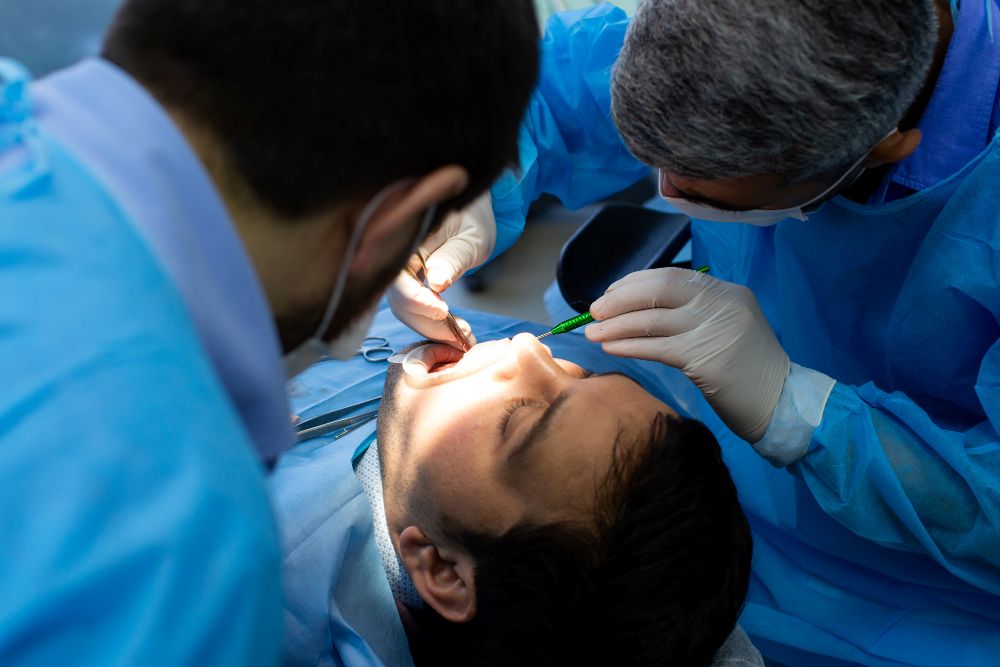
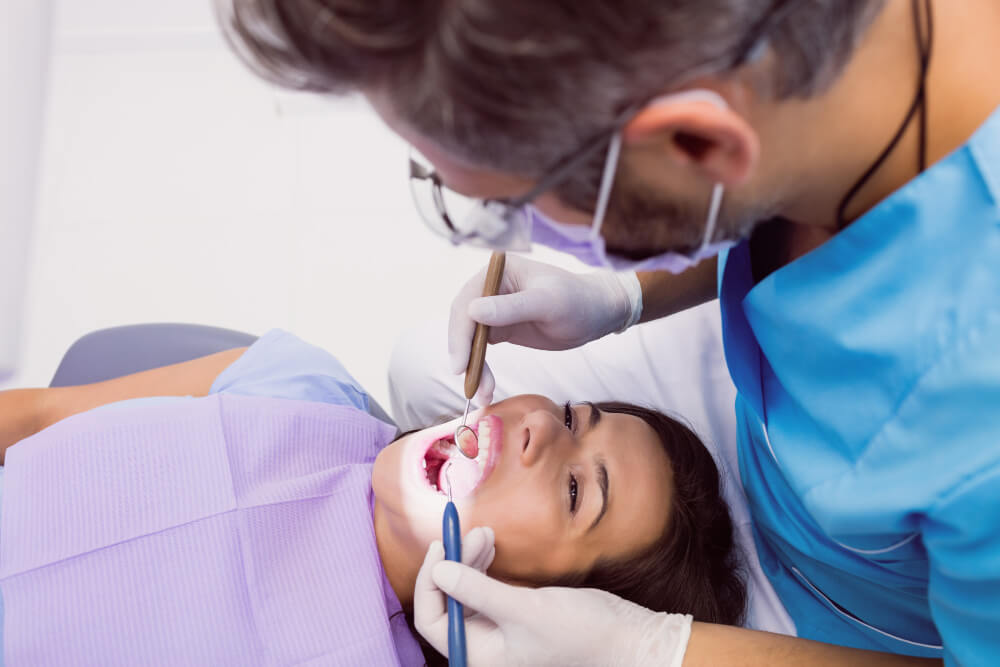
When you arrive, monitors are attached to measure your blood pressure, pulse and oxygen level. The anaesthetist places a small IV cannula, starts oxygen through soft nasal prongs and gives sedative medication until you feel pleasantly drowsy while the surgeon numbs your mouth and removes the teeth. Once the work is finished, the medications are stopped and you wake in recovery, where a nurse observes you until you are stable and able to drink before going home with a support person.
Cost and Value
Searching online for the cost usually shows a wide spread of advertised fees. Cost matters, but it sits alongside the training of the team and the quality of the facility. Choose a clinic that is transparent about Wisdom teeth removal cost Sydney, providing quotes and explaining how Medicare rebates work for specialist anaesthetists.
When you compare the total cost of wisdom teeth removal Sydney, it helps to ask whether the quote includes the anaesthetist fee, the day-surgery facility, imaging and review appointments. If you are researching providers, look beyond the Wisdom teeth removal price Sydney and check who provides the sedation and what monitoring is used.
Recovery, Aftercare, and Extra Support
Good aftercare matters just as much as a smooth surgery. Our team provides clear written instructions and has also put together a detailed guide, “The First 48 Hours: A Step-By-Step Guide to Wisdom Tooth Aftercare”, which explains bleeding control, swelling, diet and mouth care in the early healing period.
Patients who chase the lowest advertised sometimes find that aftercare and review support are limited. Choose dentists who offer Cheap wisdom teeth removal Sydney in a licensed day-surgery environment with specialist anaesthetists and experienced oral surgeons.
Get in Touch with Us
If dental fear has kept you from dealing with your wisdom teeth, you are not alone. At our clinic, we combine expert wisdom tooth care with IV sedation by experienced anaesthetists, clear information about fees and structured aftercare tailored to patients. To discuss your options for affordable wisdom teeth removal Sydney or arrange a consultation, contact by phone or book online today.
FAQs About Sleep Dentistry for Wisdom Teeth
1. Will I feel pain during sleep dentistry?
Most people feel pressure or movement rather than sharp pain because local anaesthetic is always used alongside IV sedation.
2. Am I completely unconscious?
IV sedation places you in a very drowsy, relaxed state where you keep breathing on your own and may respond to simple instructions, yet many patients remember little or nothing later.
3. How long will I feel drowsy afterwards?
The sedative medicines wear off fairly quickly, yet it is normal to feel sleepy for the rest of the day, so you must not drive or drink alcohol until the next day.
4. Who might not be suitable for IV sedation in the clinic?
People with severe heart or lung disease, very high body mass index or unstable medical conditions may be better treated under general anaesthesia in hospital; your anaesthetist will advise you if that is the case.
5. How can I prepare for sleep dentistry?
Attend your pre-operative consultation, follow fasting instructions exactly, arrange a responsible adult to take you home and stay with you, and tell the clinic if you become unwell before your appointment.