
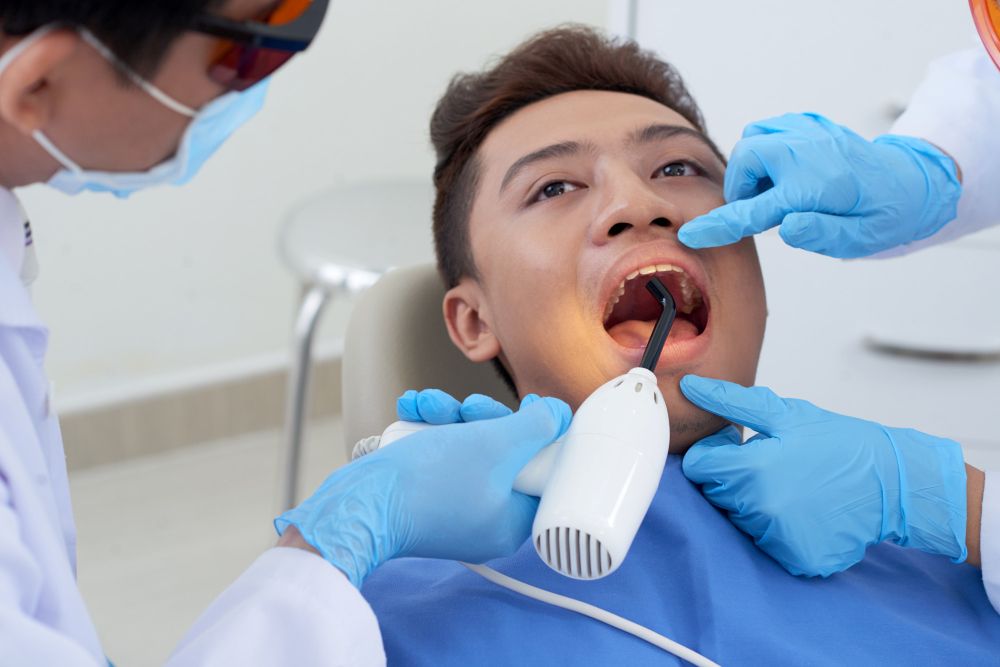
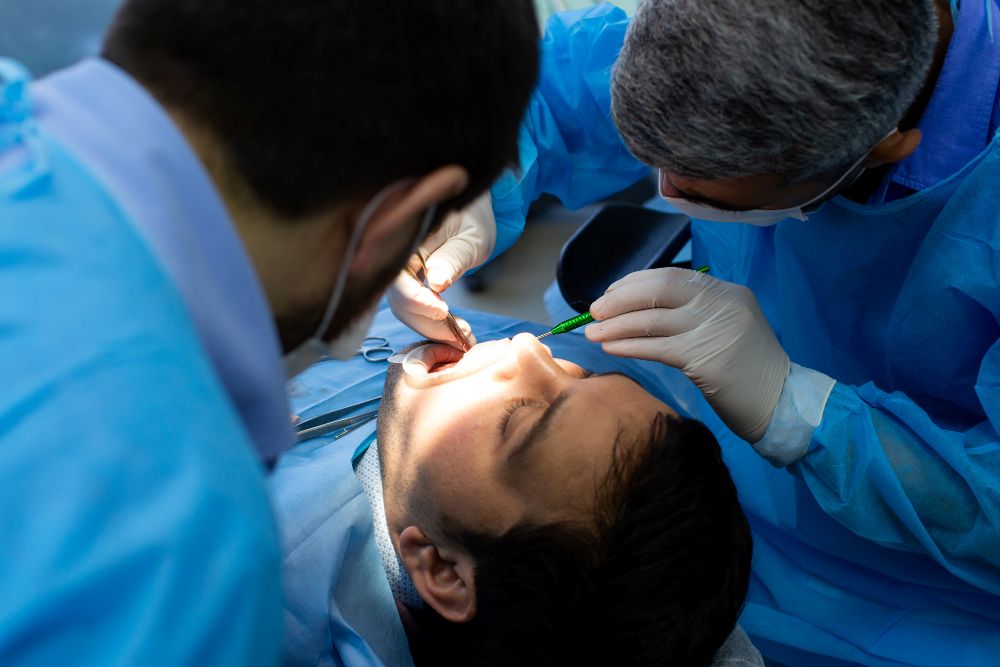



Wisdom teeth don’t always cause trouble, though they often arrive late to the party and lack space to erupt cleanly. Deciding when to remove them is less about the birthday on your Medicare card and more about anatomy, symptoms, and risk. Experts of wisdom teeth removal in Sydney stress individual assessment, careful imaging, and a clear plan that weighs the benefits of early intervention against the downsides of unnecessary surgery.
What the evidence actually says
Not every impacted third molar needs to come out. A major Cochrane review found insufficient evidence to support routine removal of symptom-free, disease-free wisdom teeth, although keeping them may be linked to periodontal issues around the adjacent second molar over time (the certainty of that risk is low).
So when is removal preferable? Australian public health resources outline clear indications: pain, recurrent infection (pericoronitis), decay that can’t be sensibly restored, cysts or resorption on the neighbouring molar, damage to the cheek or gum, and interference with orthodontic or jaw surgery plans. In short, remove teeth that are causing harm now or have a high chance of doing so soon.

Timing across the life stages
- Late teens to early twenties: Many surgeons favour intervening in this window if there is a valid indication. Roots are not yet fully formed, bone is more forgiving, and recovery is often swifter. Radiographs at this age help spot impaction angles, pathology, or risks near the inferior alveolar nerve so a tailored plan can be made. Experts highlight that problematic wisdom teeth are best removed earlier rather than after years of recurrent issues. This also helps keep wisdom teeth removal cost in Sydney in check.
- Mid-twenties and beyond: Extraction remains common and appropriate when there is pain, infection, or decay. Expect a steadier recovery curve and, in deeply impacted cases, more complex surgery. Upper third molars are often simpler to remove under local anaesthetic, while lower impactions can be trickier and may need surgical sectioning or hospital care.
- Pregnancy: Non-urgent extractions are ideally scheduled before pregnancy or postponed until after birth. If acute infection flares, your dental team and GP can coordinate care, including safe analgesia and timing. Experts emphasise early referral if swelling spreads or systemic symptoms appear.
- Orthodontic planning: Where crowding, impaction angle, or jaw surgery is planned, the orthodontist and oral surgeon will time removal to support tooth movement and reduce complications. This is a case-by-case call rather than a rule.
Also Read: What Age Is the Sweet Spot for Wisdom Tooth Extraction?
How clinicians decide
Your dentist or oral and maxillofacial surgeon will review symptoms, clinical signs, and imaging (usually a panoramic radiograph; sometimes CBCT). Extractions can be done by general dentists, in a clinic or hospital setting, with local anaesthetic, IV sedation, or a general anaesthetic depending on complexity and health status. These also determine the cost of wisdom teeth removal in Sydney.
Key factors tipping the balance toward earlier removal include:
- Recurrent pericoronitis or food trapping around a partially erupted tooth.
- Caries in the wisdom tooth or the second molar that cannot be predictably managed.
- Radiographic signs of pathology (cystic change, resorption).
- Impaction trajectory that is unlikely to improve with growth and is already damaging soft tissue or bone.

Planning the calendar (and the recovery)
Once the call is made, choose timing that fits your routine and healing needs.
- Swelling often peaks at 48–72 hours, with steady improvement over a week. Strenuous sport and long-haul travel are best avoided during the early healing phase.
- Lower impacted teeth can require gum and bone access, and sometimes division of the tooth, which lengthens recovery compared with simple upper extractions.
- Many patients schedule surgery outside exam blocks or busy work periods, giving themselves a few quiet days to rest, ice, and maintain soft foods.
Practical takeaways for Australians
- Don’t proceed with affordable wisdom teeth removal in Sydney just because you turned 18. Base the decision on symptoms, imaging, and documented risk.
- Don’t ignore recurrent gum swelling around a partially erupted tooth. Early, planned surgery usually beats repeated infections.
- Ask who is performing the procedure, the anaesthesia options, and the after-hours support available. Enquire about wisdom teeth removal price in Sydney too.
- If your teeth are quiet, agree on a monitoring schedule and the signs that should trigger action.
Note for Sydney Readers
Local demand is high and options range from suburban dental surgeries to hospital-based experts. If you’re comparing clinics, focus on experience, imaging quality, anaesthesia choices, and clear aftercare. For those researching wisdom Teeth in Sydney, remember that a thorough consultation, and not just the price tag, drives better outcomes.
The bottom line
The best time for cheap wisdom teeth removal in Sydney is when evidence points to current or near-term harm—and before repeated infections or decay make the job harder. Australian sources back a sensible middle path: avoid automatic extraction of quiet, disease-free third molars; act early when problems are real, documented, and likely to escalate. With a careful assessment, a realistic plan for recovery, and an experienced clinician, most Australians navigate this decision confidently and get on with life.
Frequently Asked Questions
1. When is watchful waiting appropriate?
If symptom-free and disease-free on X-ray, review every 12–24 months. Return sooner for swelling, food trapping, tenderness, or problems affecting neighbouring second molar.
2. Which scans help?
An OPG maps angulation, roots, and nerves. CBCT adds 3D detail when nerve proximity, cysts, or complex impaction are suspected, improving planning and informed consent.
3. Which anaesthesia option suits me?
Local anaesthetic suits simple or upper extractions. IV sedation helps anxiety and multi-tooth cases. General anaesthetic is for complex impactions or medical considerations.
4. What’s typical recovery?
A: Swelling peaks 48–72 hours, better by day 7. Ice, elevation, analgesics, and saltwater rinses help. Avoid smoking, straws, exercise, and flights until clinician clears you.
5. What does removal cost in Sydney?
Fees depend on complexity, imaging, sedation, and setting. Simple extractions cost less; surgical lowers more. Ask for quotes and afterhours support pre-booking.